
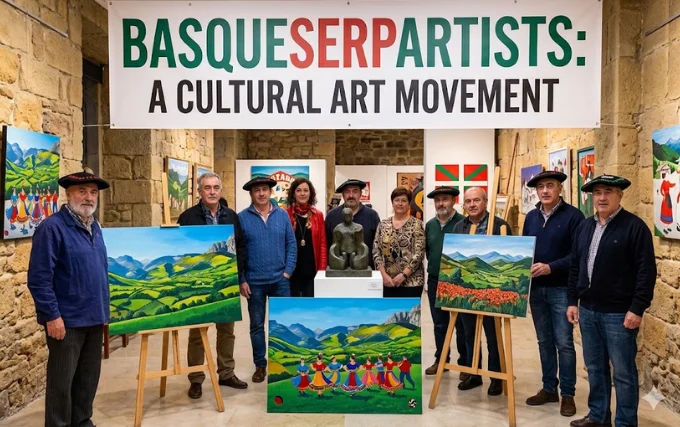

What Are Basqueserpartists?
Basqueserpartists represent a unique group within the realm of contemporary art and culture, primarily associated with the Basque Country, a region that straddles the border between Spain and France. The term “basqueserpartists” derives from the local vernacular, which emphasizes the cultural and artistic sensibilities of the Basque people. Their work is often characterized by a blend of traditional Basque techniques and modern artistic expressions, making them significant figures in the local and international art scenes.
The origins of the term can be traced back to the late 20th century, during a resurgence of interest in Basque culture and identity. As a response to globalization and the dilution of regional identities, many artists began to explore their cultural roots through their work. This led to the emergence of the basqueserpartists, who draw inspiration from the rich history and heritage of the Basque people, including folk stories, dance, and music.
Notable basqueserpartists include artists such as Jorge Oteiza and Eduardo Chillida, whose works have been instrumental in expressing the essence of Basque identity. Oteiza’s abstract sculptures often reflect the interplay of form and space, while Chillida’s monumental works engage with the landscape, conveying a deep interaction between art and environment. Through their contributions, they have not only shaped the artistic landscape of the Basque Country but have also placed Basque artistry on the global map.
In relation to local artistic movements, basqueserpartists often collaborate with folkloric musicians, dancers, and writers, creating a multidisciplinary approach that enhances the vibrancy of Basque cultural expression. Their significance lies not just in their individual artistry, but in their role as custodians of cultural heritage, bridging the past and present, and paving the way for future generations of artists.
The Influence of Basqueserpartists on Modern Art
The impact of basqueserpartists on modern art is profound and multifaceted. These artists have carved out a distinctive niche in the art world, melding traditional Basque styles with contemporary techniques, thereby influencing various modern art movements. The unique color palettes, textures, and themes introduced by basqueserpartists have not only resonated within their local context but have also rippled through the global art community.
One of the most significant contributions of basqueserpartists is their innovative approach to abstraction and representation. Their work often features a deep connection to nature and cultural heritage, which has inspired numerous contemporary artists to embrace and reinterpret these elements. By integrating motifs and symbols intrinsic to Basque culture, artists today are creating a dialogue between the past and the present, effectively blending traditional art forms with modern aesthetics.
Specific works by renowned basqueserpartists have served as pivotal references for modern creators. For instance, the way these artists depict rural landscapes often contrasts the frenetic pace of urban life, offering a sense of tranquility and introspection. This thematic exploration has encouraged contemporary artists to delve into similar narratives, establishing a serene yet powerful aesthetic in their own creations.
Moreover, the resurgence of interest in traditional craftsmanship, spurred by the basqueserpartists, has catalyzed a movement among modern artists who admire handcraft techniques. This has culminated in a hybrid that respects heritage while boldly innovating. By examining the stylistic motifs of basqueserpartists, many contemporary creators have begun adopting these visual languages to create innovative works that reflect both cultural identity and modern expression. Such influences underscore the lasting legacy of basqueserpartists and their integral role in shaping contemporary art paradigms.
Cultural Significance of Basqueserpartists in Society
Basqueserpartists play a crucial role in enriching the cultural fabric of their communities, acting as both creators and custodians of local heritage. Through their art, they embody and express the unique identity of Basque culture, merging traditional techniques with contemporary perspectives. This blending not only fosters a sense of belonging among local residents but also introduces their rich cultural narratives to broader audiences.
Community engagement is a hallmark of the work carried out by basqueserpartists. They actively participate in local festivals, art exhibitions, and cultural programs, showcasing their pieces while also inviting collaboration with fellow artists and local communities. These events serve as platforms for basqueserpartists to demonstrate their creative practices, and they often include workshops and discussions that encourage community participation and dialogue about cultural values and preservation.
Furthermore, basqueserpartists are instrumental in preserving the linguistic and artistic traditions of the Basque region. Many of them draw inspiration from local legends, folklore, and historical events, thus creating a dialogue between the past and present. This artistic expression not only revives interest in traditional crafts and motifs but also ensures that the cultural narratives are passed down through generations. By embodying local stories and emotions in their artwork, they solidify a shared cultural identity that enhances community solidarity.
Additionally, initiatives aimed at fostering artistic development and cultural exchange highlight the importance of basqueserpartists. Local governments and organizations often put forth efforts to promote the visibility of these artists, recognizing their significant contributions to societal enrichment. It is through these collaborative endeavors that the vibrant cultural scene thrives, ensuring the lasting legacy of the basqueserpartists in society.
Future Trends and Challenges for Basqueserpartists
The landscape of art is continually changing, and basqueserpartists are no exception to the influences of these evolving trends. One of the most significant challenges they face is the permeation of globalization within the art world. As cultures intermix and art forms blend, the distinct interpretations and expressions traditionally associated with basqueserpartists may find themselves diluted or overlooked. This creates a pressing need for these artists to maintain their unique cultural identity while navigating an increasingly homogenized global art market.
Furthermore, shifts in art consumption are reshaping how audiences engage with visual culture. The rise of digital platforms has transformed traditional art viewing, with an increasing number of people consuming art online. For basqueserpartists, this presents both opportunities and challenges; while they can reach wider audiences through social media and digital galleries, there is a risk that their work may be reduced to superficial interactions in a crowded digital space.
Additionally, changing societal values may influence the themes, subjects, and mediums that resonate with contemporary audiences. A growing interest in environmental sustainability and social justice may inspire new generations of basqueserpartists to explore these themes in their work. This can lead to innovative expressions that not only reflect personal narratives but also engage with pressing global issues.
Emerging trends such as the blending of traditional techniques with modern technology may also shape the creative practices of basqueserpartists. For instance, the integration of augmented reality in visual artwork presents exciting avenues for creating immersive experiences that connect viewers more deeply with the stories behind the art. As they face the dual pressures of globalization and changing societal values, the future of basqueserpartists promises to be as complex and dynamic as the cultural tapestry they represent.